
Farm & Yard Lighting
Efficient LED lighting and intelligent lighting controls for barns, workshops, yards, stables, grain stores and external areas.
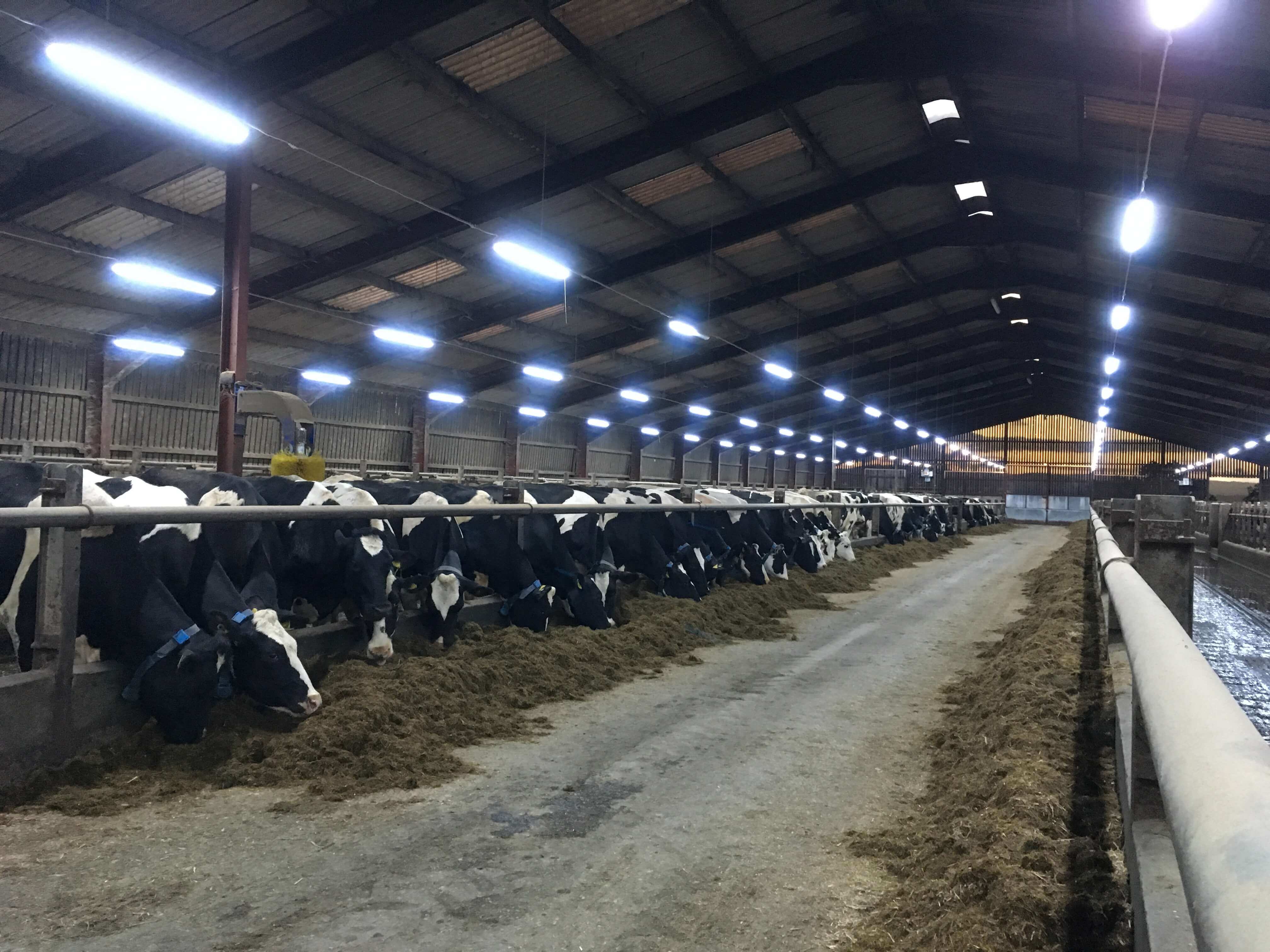
What we can provide
Efficient LED lighting and intelligent lighting controls for barns, workshops, yards, stables, grain stores and external areas.
- LED lighting for barns, workshops, stables and stores
- External yard, roadway and security lighting
- Lighting controls, sensors and time scheduling
- PIR presence detection for automatic occupancy-based switching
- Daylight harvesting controls to reduce artificial lighting when natural daylight is available
- Lux level sensors with automatic dimming/control to maintain the required illumination level
- Zoned lighting control to match different operational areas and working patterns
- Emergency lighting where required
- Energy-efficient upgrades to existing installations
LED Lighting & Payback Calculator
Get an instant indication of the LED fittings potentially required, annual energy saving, project cost and simple payback based on your existing lighting, the area being upgraded and optional intelligent lighting controls.
Your Existing Lighting
Includes typical allowances for commercial-grade LED fittings, removal and installation labour, small materials, testing and access. Where selected, the estimate also includes an indicative allowance for PIR/daylight/lux controls and commissioning.
Electrical SpecialistsCommercial and rural electrical installation experience
Proven DeliveryCommercial and rural electrical installation experience
Designed ProperlySurvey, photometric design, install, test & commission
Energy FocusedLower consumption, reduced maintenance and better lighting quality
Planned to suit the site
Infrastructure and energy projects rarely fit a standard template. We assess the existing supply, distribution, operating requirements, future loads, access and resilience needs before recommending a practical solution. The final scope is confirmed following survey and design.